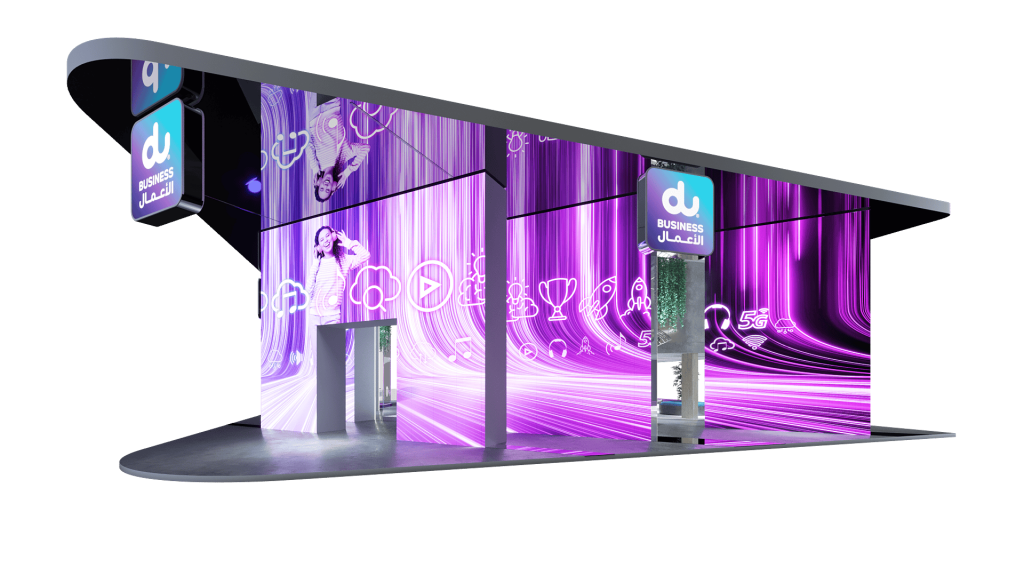
Digital Strategies Impacting Global Event Planning And Marketing
Planning an event today goes far beyond booking a venue and sending invitations. Businesses now rely on digital tools to create memorable experiences, connect with audiences, and measure results with greater accuracy. Companies that embrace these modern methods can build stronger relationships and achieve better outcomes.
Reaching audiences with targeted campaigns:
Digital advertising allows event organizers to reach the right audience at the right time. Social media platforms, search engines, and email campaigns help promote events to people who are genuinely interested. This is where global event planning and marketing proves its value, because a brilliant event stays empty without the right eyes on it. Personalized messages increase attention and encourage higher registration rates. This focused approach also reduces unnecessary marketing costs while improving campaign performance.
Making registration simple and quick:
Long registration forms can discourage potential attendees. Modern event platforms offer fast sign ups with secure payment options and instant confirmations. Mobile friendly registration pages also allow guests to book their place from any device. A smooth registration process creates a positive first impression before the event even begins.
Using data to improve event performance:
Digital tools collect valuable information before, during, and after an event. Organizers can monitor ticket sales, attendance, audience interests, and engagement levels. This information helps identify successful ideas and areas that need improvement. Future events become easier to plan because decisions are based on real results instead of assumptions.
Creating stronger audience engagement:
Interactive features keep attendees involved throughout the event. Live polls, question sessions, event apps, and digital networking tools encourage participation instead of passive attendance. Virtual and hybrid events also benefit from chat functions and interactive presentations, helping remote participants stay connected with speakers and other guests.
Building lasting connections after the event:
The event should continue creating value even after the final session ends. Email follow ups, recorded presentations, digital surveys, and social media highlights keep conversations active. These efforts encourage future attendance and strengthen relationships with clients, partners, and sponsors. Consistent communication helps keep the event fresh in people’s minds.
Combining digital planning with quality event services:
Technology supports planning, but physical presentation still matters. Comfortable seating, stylish décor, and well designed event spaces leave a lasting impression on guests. Digital planning tools work best when paired with reliable suppliers who deliver quality equipment on time. Combining efficient technology with professional event services creates an experience that attendees remember long after the event concludes.