How Waterjet Cutting Works Without Heat Damage
Waterjet cutting offers an accurate way to shape metal, stone, glass, ceramic, and composite materials without exposing them to intense heat. A high-pressure water stream removes material through controlled abrasion, leaving clean, accurate edges. This cold cutting process protects sensitive surfaces and supports detailed work across many demanding fabrication applications. That makes waterjet cutting extremely valuable.
How the cutting process works
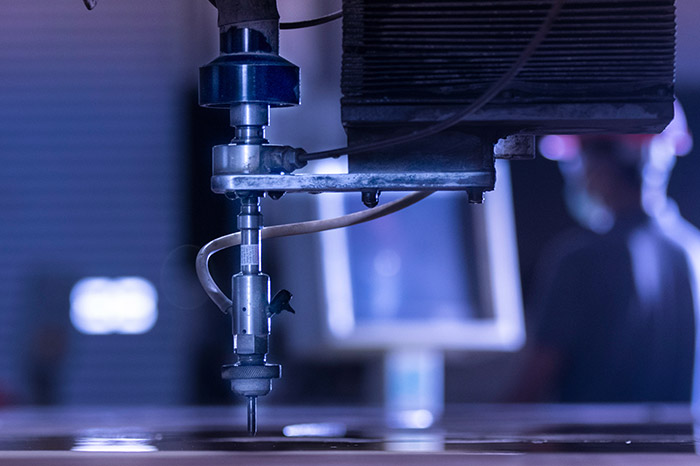
A waterjet system pushes water through a tiny nozzle at extremely high pressure. The narrow stream strikes the material with concentrated force and removes small particles along the programmed cutting path. For harder materials, operators mix abrasive particles such as garnet into the water stream. This mixture increases cutting power while keeping the process cold. Computer-controlled movement guides the nozzle across the workpiece, allowing intricate shapes, curves, holes, and tight corners with consistent precision.
Why heat damage stays away
Traditional thermal cutting methods produce substantial heat around the cutting zone. That heat may alter material properties, discolor surfaces, warp thin sections, or leave heat-affected zones along the edge. Waterjet systems avoid these issues because water absorbs and removes heat during cutting. The workpiece stays close to its original temperature throughout the process. This makes the method suitable for materials that react poorly to heat, including certain alloys, stone, glass, and layered composites.
Clean edges and accurate details
Cold cutting also supports strong edge quality. The waterjet follows digital cutting paths with fine control, allowing fabricators to produce detailed designs and accurate dimensions. Since the process does not produce a heat-affected zone, operators avoid many problems linked with thermal distortion. Material thickness, nozzle condition, pressure settings, abrasive flow, and cutting speed influence the final result. Skilled operators adjust these settings according to the material and design.
Applications across industries
Waterjet cutting serves many industries because it works with a broad range of materials. Manufacturers use it for machine parts, brackets, panels, decorative elements, architectural pieces, and custom components. Stone fabricators use it for intricate patterns and precise inlays, while metal workshops use it for steel, aluminum, copper, and specialized alloys. The process also suits prototypes because digital files allow design changes without producing dedicated cutting tools.
A practical cold cutting solution
Heat free cutting gives fabricators greater control over sensitive materials and detailed designs. The process reduces thermal distortion while supporting precise shapes, clean edges, and repeatable production. With high pressure water, abrasive technology, and computer controlled motion working together, manufacturers gain a flexible method for demanding fabrication tasks.