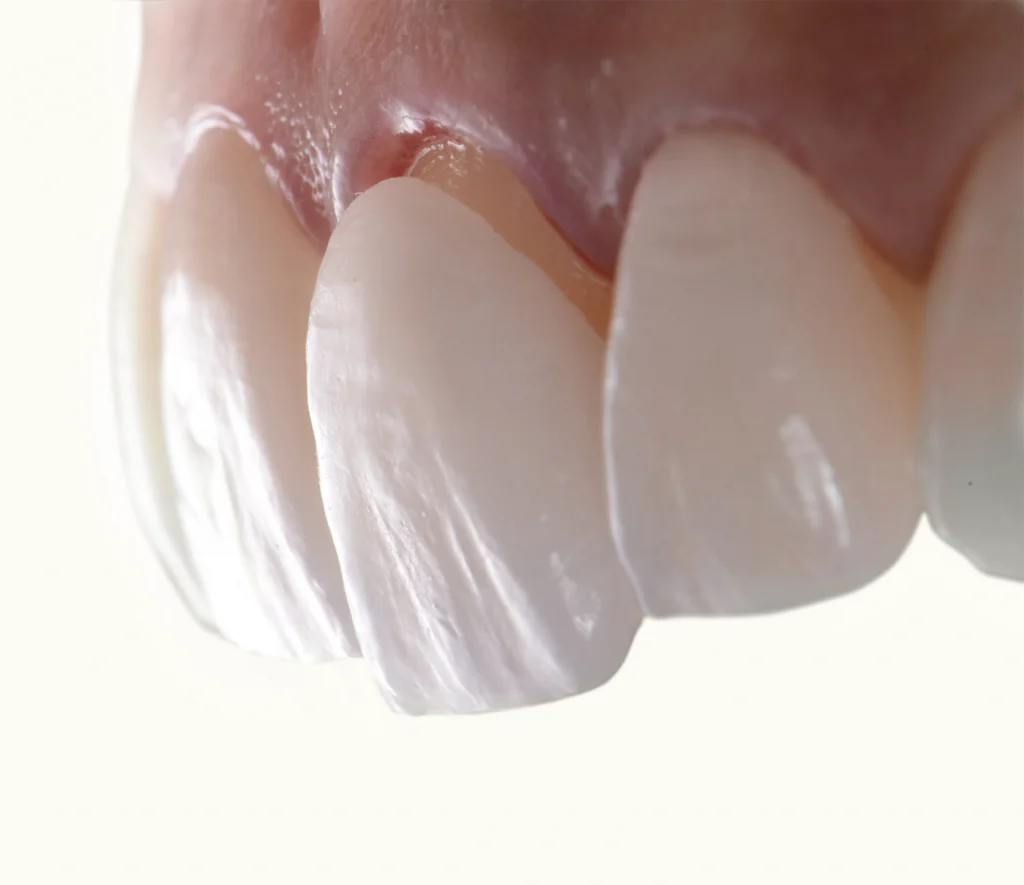
The Lifespan Of Veneers And How To Make Them Last
A radiant smile can boost your confidence and make everyday interactions more enjoyable. Dental veneers offer an effective solution for chipped, stained, uneven, or worn teeth. However, their longevity depends on your daily habits and oral hygiene routine. Protecting your veneers Abu Dhabi can help you maintain their appearance, preserve your investment, and enjoy a healthy, attractive smile for years.
How long do dental veneers last?
Dental veneers offer several years of reliable performance with proper care. Porcelain veneers typically last 10 to 15 years, while composite veneers generally last 5 to 7 years. Some porcelain veneers even last 20 years when patients maintain excellent oral hygiene and attend regular dental appointments. Your dentist also considers your bite, lifestyle, and dental health when estimating their lifespan.
Factors that affect veneer longevity
Several factors influence how long your veneers remain in good condition. Teeth grinding, nail biting, and chewing hard objects place excessive pressure on veneers and increase the risk of cracks. Poor oral hygiene also threatens the teeth and gums surrounding them. Additionally, acidic foods and tobacco use may affect your natural teeth and overall oral health. Regular dental checkups help identify potential problems before they become serious.
Maintain excellent oral hygiene
A consistent oral hygiene routine helps protect your veneers and natural teeth. Brush twice daily with a soft-bristled toothbrush and nonabrasive toothpaste to prevent scratches and maintain a clean surface. Floss every day to remove plaque and food particles between your teeth. Pay particular attention to your gumline, as healthy gums support the teeth beneath your veneers. Your dentist may also recommend suitable cleaning products.
Avoid habits that damage veneers
Everyday habits can significantly affect the lifespan of your veneers. Avoid biting your fingernails, chewing ice, or using your teeth to open packages. These actions place unnecessary pressure on dental restorations and may cause chips or cracks. If you grind your teeth during sleep, ask your dentist about a custom night guard. This protective device reduces pressure and helps prevent unnecessary damage.
Schedule regular dental checkups
Routine dental visits help your dentist monitor the condition of your veneers and surrounding teeth. Professional examinations allow early detection of loose veneers, damaged edges, gum problems, and other concerns. Schedule appointments every six months or follow your dentist’s recommended schedule. Professional cleaning also removes stubborn plaque and helps maintain healthy gums, supporting the long-term condition of your dental restorations.